


Fassadengruen
DeutschEnglischFranzösisch

Treillages

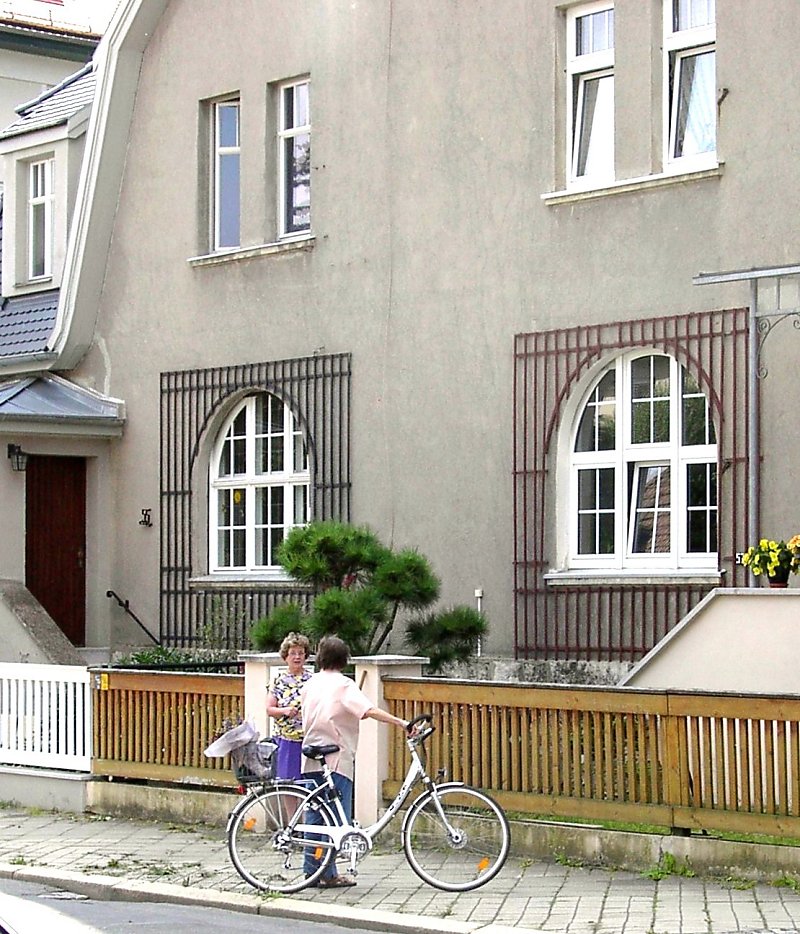
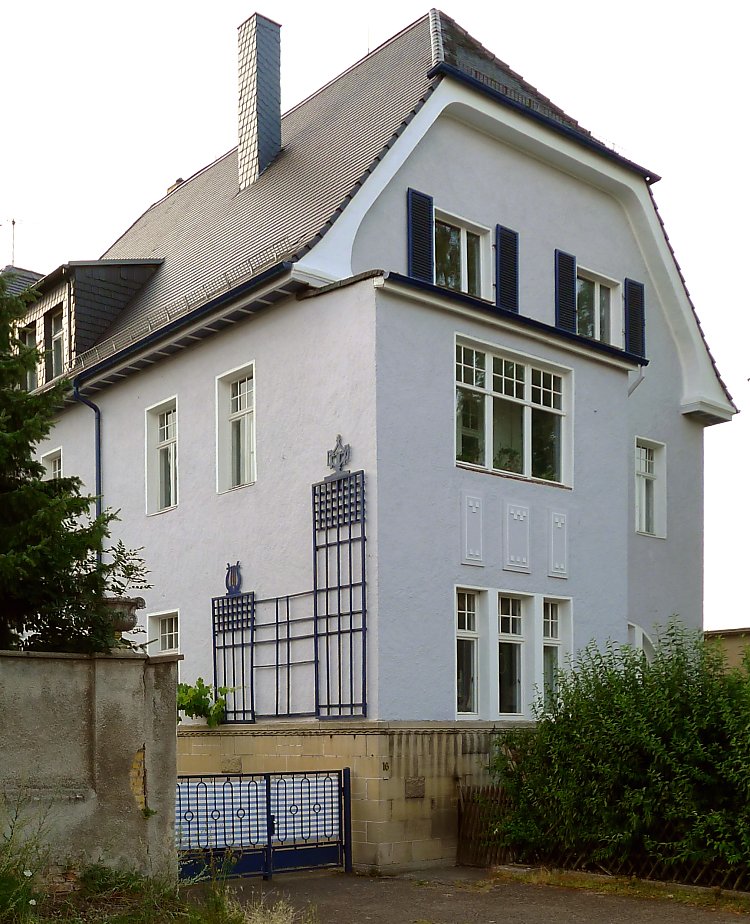
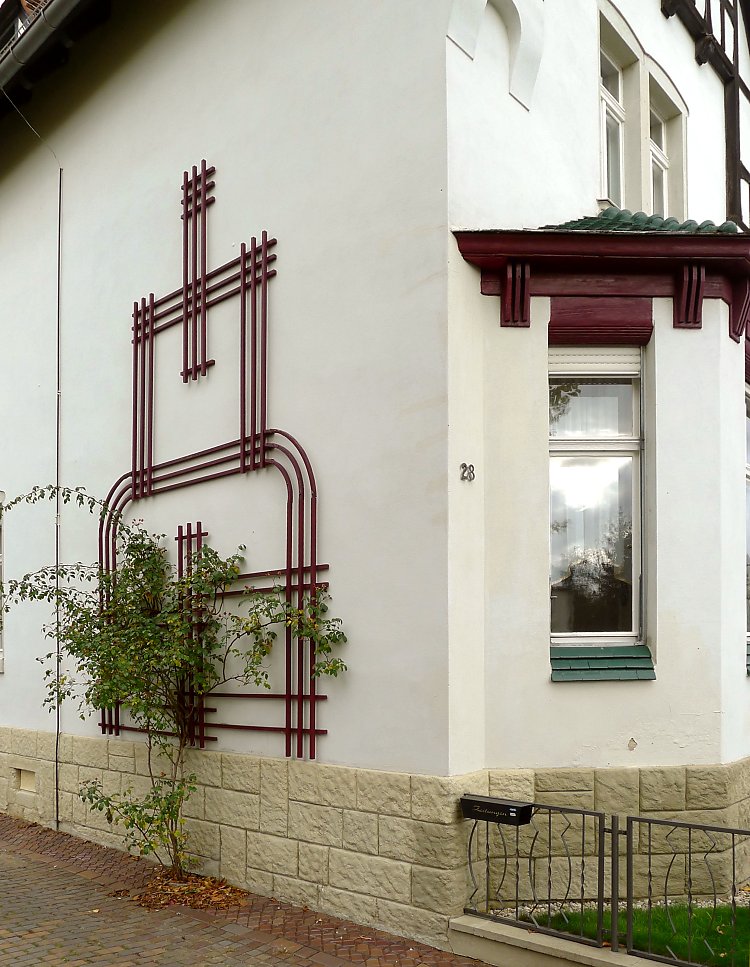
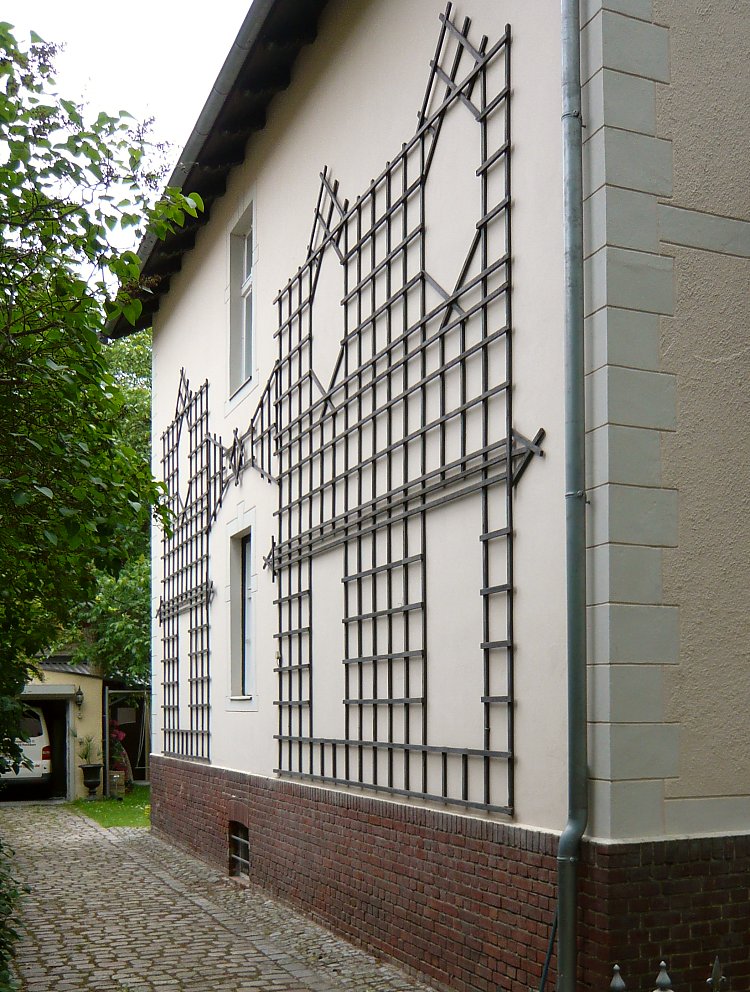
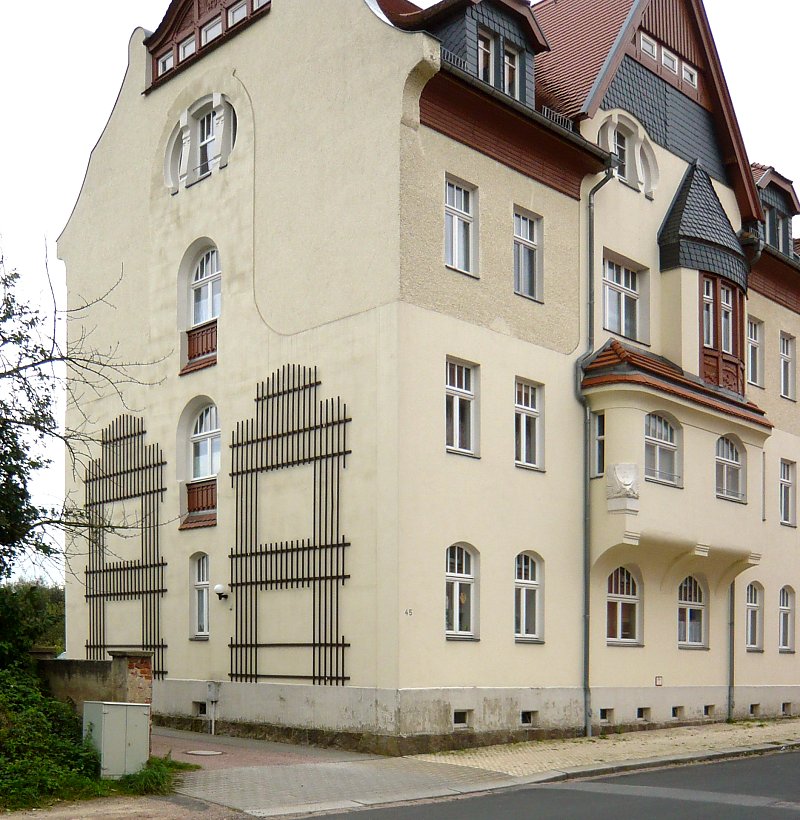
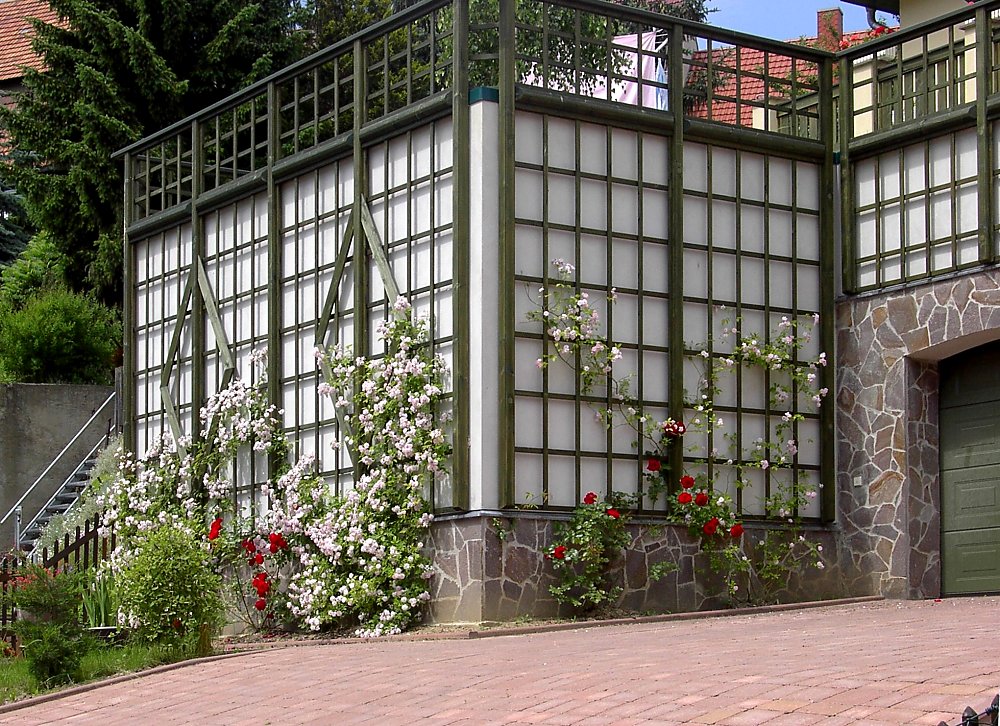
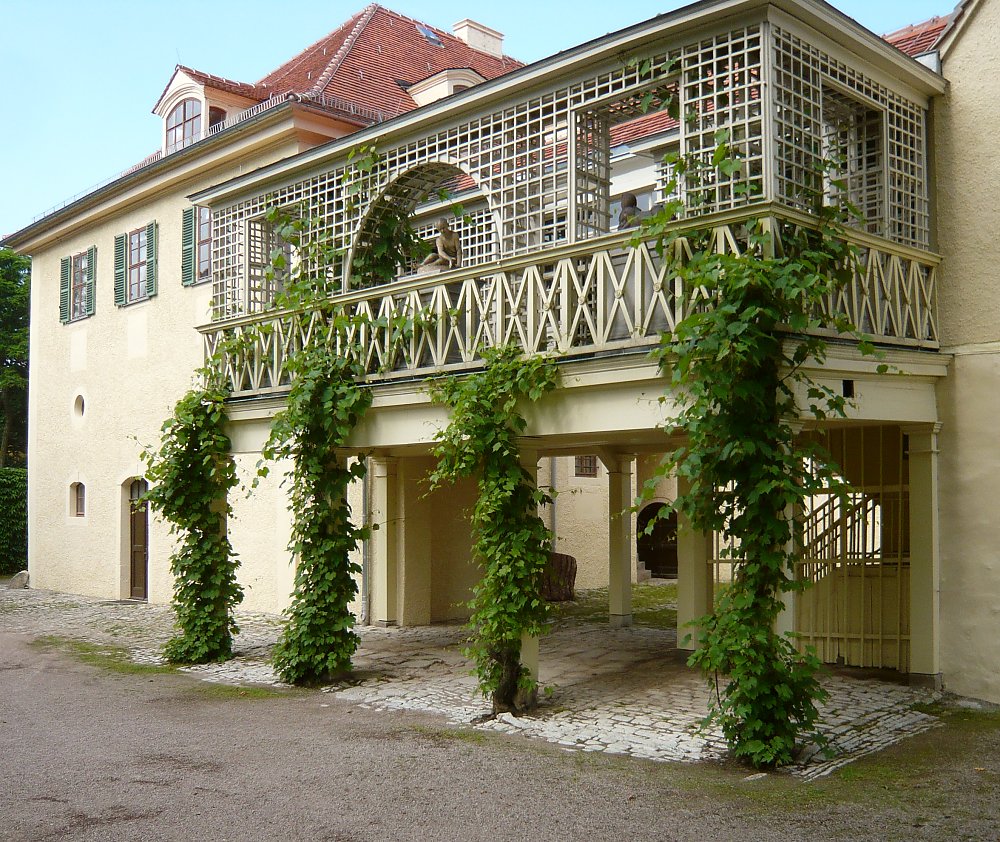
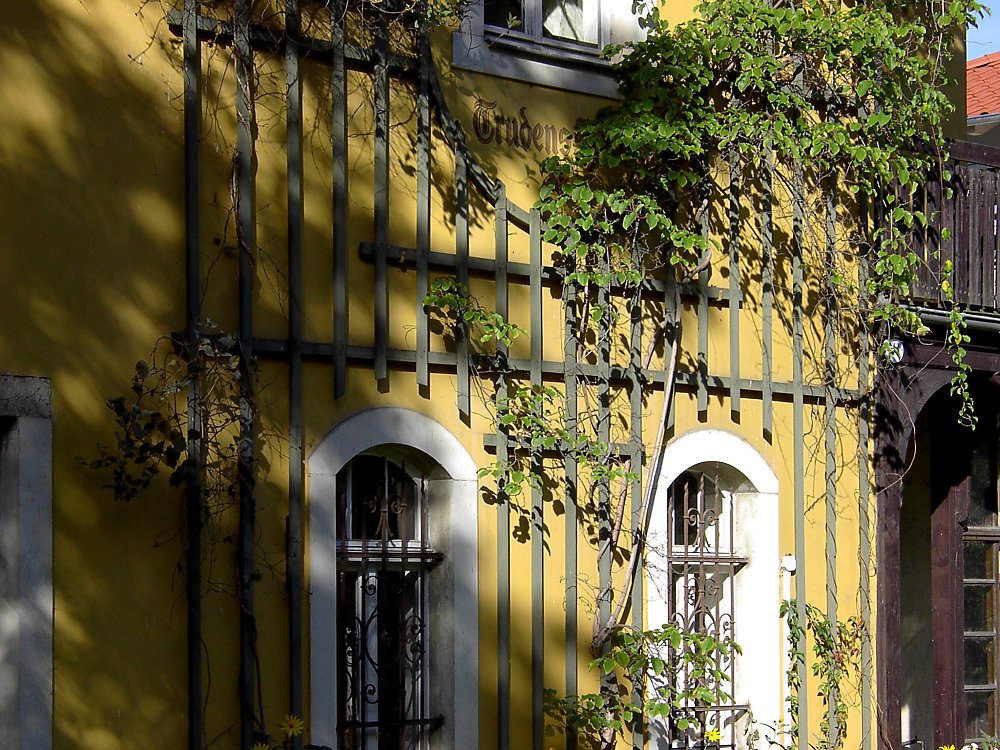
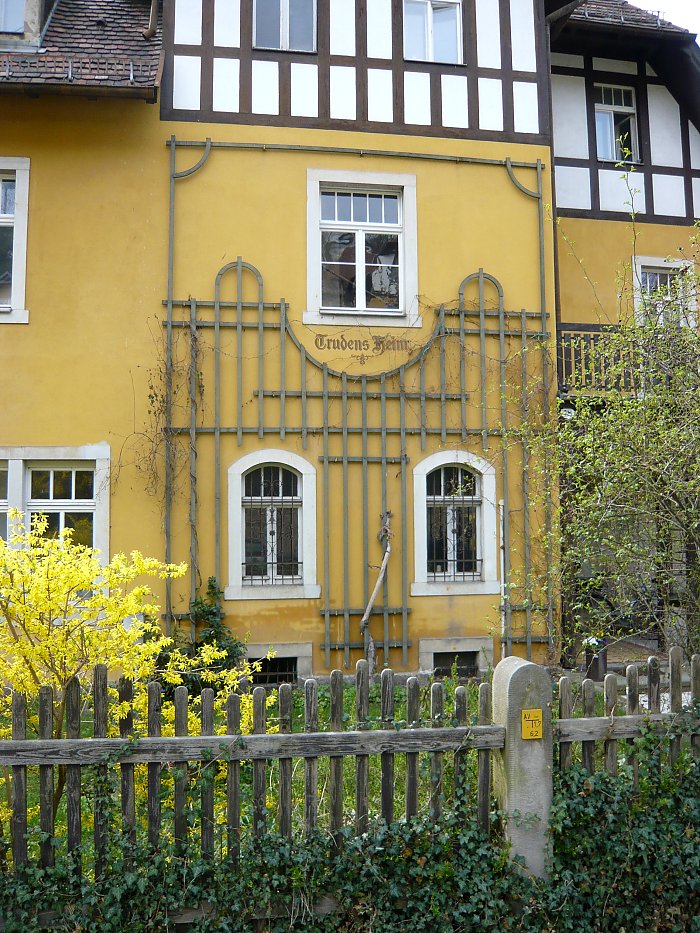
'Treillage' is the French word for trellis, and here we use the term to designate particularly artistic trellises and lattice-work. In Baroque times, the espalier system was often designed very artfully, sometimes considered more significant than the plants they should support. The 'treillage' emerged as a special type of garden art. The trellises were particularly complex and ornamental and their significance went far beyond the mere trellising of plants. Ornamental trellises were an assembly of slats or stakes in the shape of a pavilion or arbour. The treillages were also on facades, but they often went ungreened and were appreciated just for themselves, e.g. in the Wilhelminian period.

Wooden treillage
Wooden treillage

Photo Gallery

Enter this gallery to see treillages and decorative trellises. You can also refer to the examples on modern architecture.

Tightly slatted decorative trellises from the "Heimat-style" (approx. 1925 - 1940), Weimar / ThuringiaRounded arch trellis for roses, Dresden / SaxonyTrellis for different plantsArtistic trellisOrnamental espalier gridLatticework for a climbing roseOrnamental trellisAnother example of superb trellis artDecorative trellises made of wood on an apartment building, Meißen / SaxonyTrellis with winter jasmine, BerlinTreillage with a chequer pattern, Leipzig / SaxonyArtistic treillages with vines in winter: wooden laths of various lengths and curved steel crossbeams.Support for climbing rosesTreillages with Virgina creeper on a veranda, Tiefurt Castle near Weimar / ThuringiaOld trellis with small kiwi (Actinidia arguta), Dresden / SaxonyThe same trellis a few years later: mostly without greeneryAgain the same trellised facade: here with a new greening of thicket creeper (Parthenocissus inserta)